

Celebrating Tradition: The Habesha Coffee Ceremony Ritual
Coffee is more than just a drink in Habesha culture - it is a profound cultural experience that connects people, history, and nature. If you witnessed the Habesha ceremony ritual, you will be captivated by its beauty and meaning. This ritual is a celebration of community, respect, and the rich heritage of coffee itself. It invites us to slow down, savor each moment, and appreciate the journey from bean to cup.
In this post, I want to share with you the highlights of the coffee ceremony, its steps, and the sensory delights it offers. Whether you are a coffee enthusiast or simply curious about global traditions, this ritual offers a unique window into the heart of Ethiopia’s coffee culture.
The Habesha Coffee Ceremony Ritual: A Step-by-Step Experience
The coffee ceremony ritual is a carefully choreographed event that can last up to an hour. It is usually performed by a woman, often in the home, and involves roasting, grinding, brewing, and serving coffee in a way that honors the beans and the guests.
Here’s how the ritual unfolds:
Preparation and Roasting
The ceremony begins with green coffee beans being roasted over an open flame in a small pan. The aroma of the roasting beans fills the room, signaling the start of something special. Watching the beans darken and crackle is mesmerizing, and the scent is rich and inviting.
Grinding the Beans
Once roasted, the beans are ground using a traditional mortar and pestle. This manual process releases even more fragrance and connects the participants to the coffee’s origins. However, you can simply use any electric coffee grinder.
Brewing the Coffee
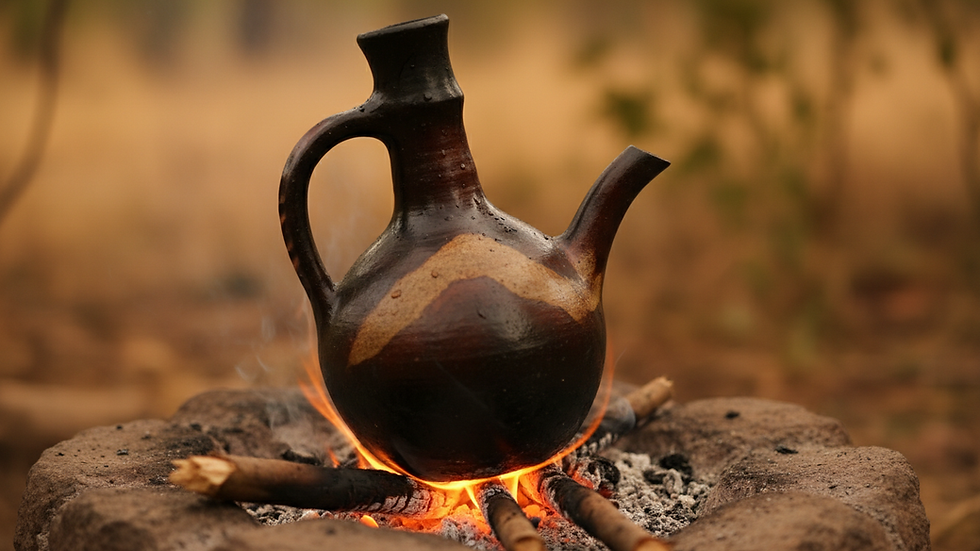
The ground coffee is then brewed in the jebena, a clay pot with a long spout. The coffee is boiled slowly, allowing the flavors to develop fully. The sound of bubbling and the rising steam add to the sensory experience.
Serving the Coffee
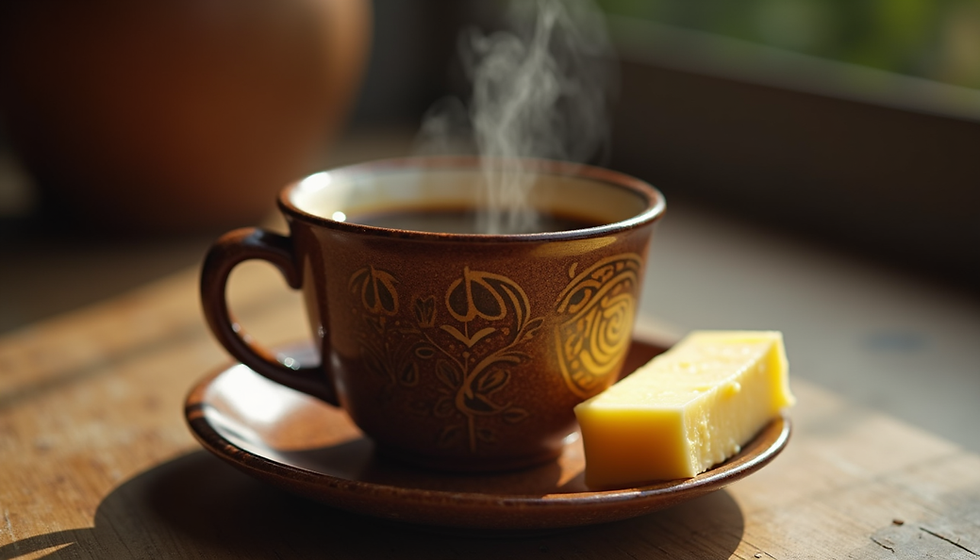
The coffee is poured into small clay or ceramic cups. It is served in three rounds, each with its own name and significance: Abol (first round), Tona (second round), and Baraka (third round). Each round is an opportunity to enjoy the coffee’s evolving taste and to engage in conversation.
This ritual is not just about drinking coffee; it is about connection, respect, and celebration. The slow pace encourages mindfulness and appreciation.
Why the Coffee Ceremony Ritual Matters Today
In a world where coffee is often rushed and commercialized, the Habesha coffee ceremony ritual reminds us of the value of tradition and quality. It also honors the origins of coffee, which is believed to have been discovered in Ethiopia centuries ago.
This ritual also highlights the importance of ethical sourcing. The beans used in the ceremony are typically Arabica, grown in the highlands under natural shade. These beans are handpicked and processed with care, supporting local farmers and preserving biodiversity.
For coffee lovers who seek unique flavors and ethical practices, the Habesha coffee ceremony offers a model worth embracing. It teaches us to appreciate the story behind every cup and to support sustainable coffee production.
What is the Coffee Ritual with Popcorn in Ethiopia?
One charming aspect of the Ethiopian coffee ceremony is the tradition of serving snacks alongside the coffee. Traditionally these snacks could be popped or boiled grains, unleavened flat bread or popcorn.
These snacks provide a crunchy, savory contrast to the rich, bitter coffee. It symbolizes hospitality and abundance. Sharing snacks during the ceremony encourages conversation and bonding among guests.
If you ever want to have a chance to participate in this ceremony, stop by your near by Habesha(Ethiopian or Eritrean) restaurants who often offer this traditional coffee ceremony. You can even request this service to come to your event by businesses like Merkato Grocery in Murphy, TX. Check out https://www.tiktok.com/@merkatodallas/video/7609690644440763679

How to Bring the Habesha Coffee Ceremony Ritual into Your Home
You don’t need to travel to Africa to enjoy the beauty of this coffee ritual. With a few simple steps, you can create your own version at home and share it with friends or family.
By recreating this ritual, you honor the tradition and deepen your appreciation for Habesha coffee Ceremony. It’s a wonderful way to connect with the origins of your favorite drink and to share a meaningful experience.
Thank you for joining me on this journey through the Habesha coffee ceremony ritual. I hope it inspires you to savor your coffee moments with new appreciation and joy.


Comments