

Exploring Coffee Brewing Techniques: A Journey into Flavor and Tradition
Coffee is a sensory experience, a cultural journey, and a celebration of craftsmanship. As someone who cherishes the rich heritage and unique flavors of coffee, I find that exploring different coffee brewing techniques opens up a world of possibilities. Each method brings out distinct characteristics in the beans, especially when working with premium, ethically sourced Ethiopian Arabica like the signature Harrar coffee. Let me take you through some of the most beloved ways to brew coffee, sharing practical tips and sensory delights along the way.
Discovering the Art of Coffee Brewing Techniques
When it comes to coffee, the brewing technique you choose can transform the taste, aroma, and texture of your cup. Whether you prefer a bold, intense brew or a smooth, delicate sip, understanding these methods helps you unlock the full potential of your beans.
Pour-Over: Precision and Clarity in Every Cup
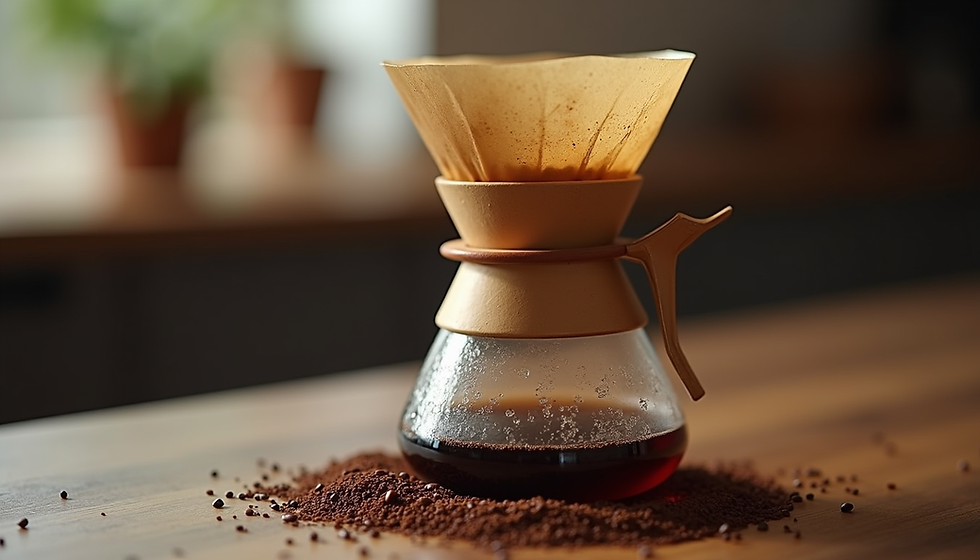
One of my favorite methods is the pour-over. This technique involves manually pouring hot water over coffee grounds in a filter, allowing the water to extract flavors slowly and evenly. The result is a clean, bright cup that highlights the subtle notes of your coffee.
To get started, you’ll need a pour-over dripper, a filter, freshly ground coffee, and hot water just off the boil (around 200°F). Use a medium grind size and pour the water in a slow, circular motion, wetting all the grounds evenly. The total brew time should be about 3 to 4 minutes.
Why I love pour-over: It gives me control over every step, from water temperature to pouring speed. This method is perfect for showcasing the fruity and floral notes typical of Ethiopian beans.
French Press: Richness and Full Body
If you crave a fuller-bodied coffee with a robust flavor, the French press is a classic choice. This immersion method steeps coffee grounds directly in hot water, allowing oils and fine particles to remain in the brew, creating a thick, satisfying texture.
To brew with a French press, use coarsely ground coffee and water heated to about 200°F. Add the grounds to the press, pour in the water, stir gently, and let it steep for 4 minutes before pressing the plunger down slowly.
Pro tip: For a smoother cup, let the coffee settle for a minute after pressing before pouring. This method is ideal for those who enjoy a bold, earthy cup that celebrates the depth of origin beans like Harrar.

Espresso: Intensity in a Small Package
Espresso is the heart of many coffee drinks, from lattes to cappuccinos. It’s a concentrated shot made by forcing hot water through finely ground coffee under high pressure. The result is a thick, intense brew with a layer of crema on top.
Making espresso requires an espresso machine and finely ground coffee. The process takes about 25-30 seconds per shot. The key is to tamp the grounds evenly and maintain consistent pressure.
Why espresso matters: It captures the essence of the coffee bean in a small, powerful dose. For those who appreciate bold flavors and a quick caffeine boost, espresso is unbeatable.
Exploring Other Popular Coffee Brewing Techniques
Beyond the classics, there are several other methods worth exploring. Each offers a unique way to experience coffee’s complexity.
AeroPress: Versatility and Speed
The AeroPress is a modern favorite among coffee lovers who value convenience without sacrificing flavor. It combines immersion and pressure to brew a smooth, rich cup in just a couple of minutes.
To use an AeroPress, place a filter in the cap, add medium-fine coffee grounds, pour hot water, stir, and press the plunger down slowly. You can experiment with grind size, water temperature, and brew time to find your perfect balance.
What I appreciate: The AeroPress is portable and easy to clean, making it great for travel or quick mornings. It also highlights bright, clean flavors, perfect for single-origin beans.
Cold Brew: Smooth and Refreshing
Cold brew coffee is steeped in cold water for 12 to 24 hours, resulting in a smooth, low-acid coffee concentrate. It’s perfect for warm days or when you want a mellow, refreshing drink.
To make cold brew, combine coarsely ground coffee with cold water in a jar or pitcher, stir, and let it steep in the fridge overnight. Strain through a fine mesh or coffee filter before serving over ice.
Why cold brew stands out: It’s less bitter and acidic than hot brewed coffee, making it gentle on the stomach and easy to enjoy black or with milk.

How to Choose the Right Brewing Method for Your Coffee
Choosing the right brewing technique depends on your taste preferences, lifestyle, and the coffee you have on hand. Here are some tips to help you decide:
For bright, complex flavors: Try pour-over or AeroPress to highlight delicate notes.
For bold, full-bodied coffee: French press or espresso will bring out richness and intensity.
For convenience and versatility: AeroPress offers quick brewing with excellent flavor.
For a refreshing, smooth drink: Cold brew is ideal, especially in warmer climates.
Experimenting with different methods also helps you appreciate the unique qualities of ethically sourced beans. For example, Ethiopian Harrar coffee’s fruity and wine-like notes shine beautifully in a pour-over or AeroPress brew.
Embracing Ethical Sourcing and Authentic Flavors
As I explore these coffee brewing techniques, I am reminded of the importance of ethical sourcing. The story behind the beans enriches the experience, connecting us to the farmers and traditions that make each cup special.
Supporting premium Ethiopian Arabica, especially from regions like Harrar, means savoring coffee that is not only delicious but also responsibly grown. This commitment ensures fair wages, sustainable farming, and preservation of coffee heritage.
By choosing ethically sourced beans and experimenting with different brewing methods, you honor the craft and culture of coffee. It’s a journey that deepens your appreciation and invites you to share these authentic flavors with others.
Your Next Steps in Coffee Exploration
Now that you’ve discovered a variety of coffee brewing techniques, I encourage you to try them yourself. Start with the method that intrigues you most and use high-quality, ethically sourced beans to get the best results.
Here are some practical tips to enhance your brewing experience:
Invest in a good grinder: Freshly ground coffee makes a huge difference.
Use filtered water: Water quality affects taste significantly.
Measure your coffee and water: Consistency is key to perfecting your brew.
Experiment with variables: Adjust grind size, water temperature, and brew time to find your ideal cup.
Take notes: Keep track of what works and what doesn’t for future reference.
Remember, coffee brewing is both an art and a science. Enjoy the process as much as the result.
For more insights and detailed guides on coffee brewing methods, feel free to explore further. Your perfect cup awaits!
Exploring coffee brewing techniques is a rewarding adventure that connects you to the rich culture and authentic flavors of coffee. Whether you prefer the precision of pour-over, the boldness of French press, or the smoothness of cold brew, each method offers a unique way to enjoy your favorite beans. Embrace the journey, savor every sip, and celebrate the story behind every cup.
Comments